

Credential fraud is no longer confined to slight resume embellishments. In today’s digital landscape, hiring managers face sophisticated falsifications: high-quality fake degree certificates, fabricated professional memberships, inflated job titles, and proxy references designed to bypass casual checks. For hiring organizations in Nigeria, relying on basic document inspection or unverified phone calls exposes the business to
For decades, the standard procedure for closing a job offer involved making two or three brief phone calls to a candidate’s listed references. HR teams would ask standard questions about work ethic, punctuality, and job performance, check off a box on their ATS, and approve the hire. In today’s fast-paced corporate landscape, that approach is

A vibrant, trust-filled company culture takes years of deliberate leadership, team building, and shared values to construct. Yet, it can take just one unvetted, toxic, or dishonest hire to compromise morale, disrupt psychological safety, and erode employee trust. While traditional hiring focuses heavily on skills and resume accomplishments, safeguarding company culture requires looking beneath the
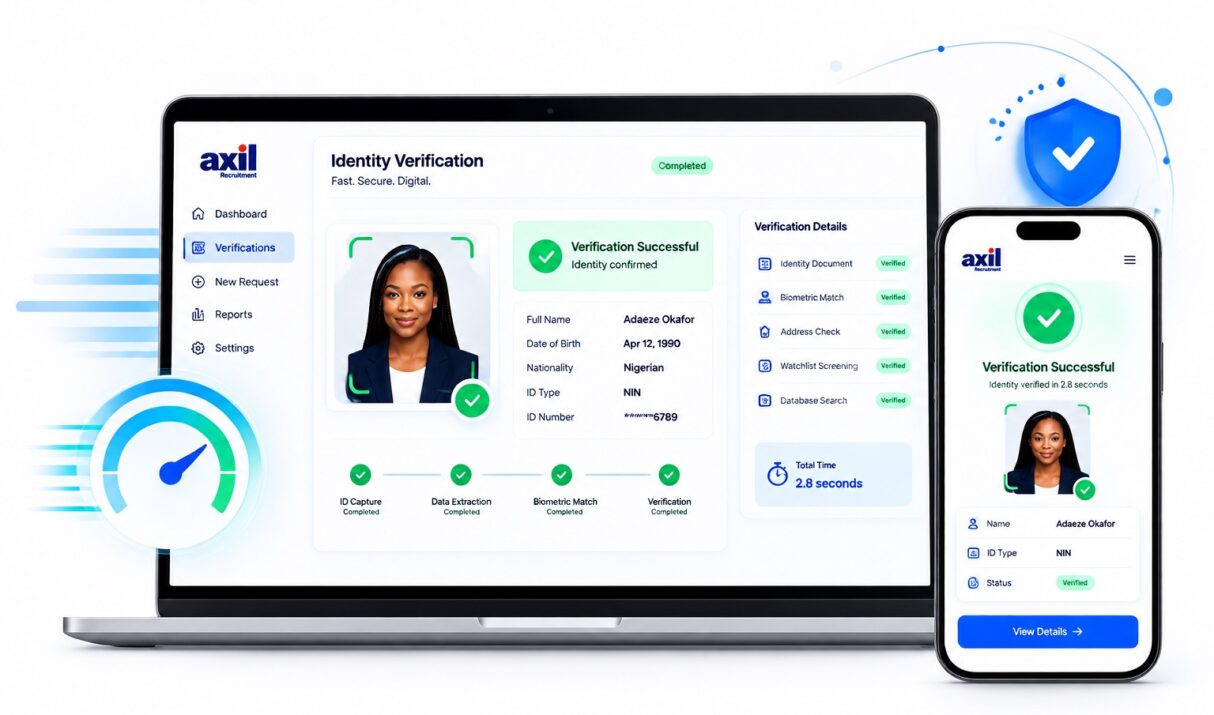
In the rush to secure talent in a competitive marketplace, many organizations make a dangerous compromise: they accept incomplete background checks. To save time or cut costs, employers often settle for surface-level screening—verifying a National Identification Number (NIN) via API, making a single phone call to a past manager, or skimming a scanned university certificate.